
Understanding land use is critical for property owners, influencing investment viability and asset value. Local zoning laws dictate permitted uses, with urban areas having strict regulations and rural zones allowing diverse activities. Lenders assess land use as a risk management tool. Property owners must consult zoning maps, consider market demands, environmental factors, and infrastructure accessibility to maximize investment and ensure legal compliance. Balancing development with conservation through sustainable practices enhances property value and fosters community. Collaboration with experts and staying informed about legislative changes are key to successful land use plans.
In the realm of property ownership, understanding and managing land use is a cornerstone for sustainable development and long-term investment success. Efficient and effective land use practices are essential to balancing urban growth with environmental conservation, ensuring vibrant communities while preserving natural resources. However, navigating the complexities of zoning regulations, environmental impact assessments, and community expectations can be a daunting task for property owners. This article provides an authoritative guide to demystifying land use, offering practical insights and strategic frameworks tailored for informed decision-making in maximizing the potential of your property while adhering to best practices.
Understanding Land Use Basics for Property Owners
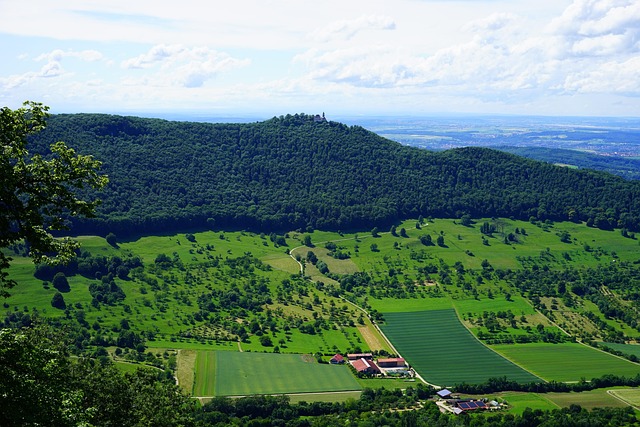
Understanding land use is a cornerstone for property owners, shaping how they can develop and leverage their assets. Land use refers to the practical application of land for various purposes, such as residential, commercial, or agricultural uses. It’s crucial to grasp these concepts not just for compliance with local zoning laws but also for maximizing property value and potential. Every location has specific guidelines governing land use, which are designed to ensure sustainable development and maintain the integrity of communities.
For instance, urban areas often have stringent regulations to accommodate high-density populations and commercial activities, while rural zones allow for more diverse uses like farming and ranching. Property owners must navigate these nuances, especially when considering changes in borrower requirements for loans secured by real estate. Lenders increasingly focus on land use as a risk management tool, assessing the potential impacts of different uses on property values and market stability. Understanding local land use plans and zoning ordinances can help owners anticipate these requirements and make informed decisions.
A practical example involves a homeowner looking to build a home office. They must consult zoning maps to ensure their intended use aligns with permitted classifications. Even seemingly minor adjustments, like adding a deck or expanding living spaces, require adherence to established land use practices. Property owners who delve into these intricacies can avoid legal complications and costly mistakes, ensuring their investments remain viable over time. Understanding land use basics is not just about adhering to rules; it’s about making strategic choices that align with market trends and community expectations.
Assessing Your Property's Unique Land Use Potential

Assessing a property’s unique land use potential is a critical step for any property owner looking to maximize their investment or develop their land responsibly. Land use—the way a piece of land is utilized—can significantly impact a property’s value and its surrounding community. Understanding your property’s specific land use characteristics involves a deep dive into various factors, including zoning regulations, local market demands, environmental considerations, and infrastructure accessibility.
Every parcel of land has distinct qualities that influence its potential uses. For instance, a property’s size, shape, topography, proximity to urban centers or natural features, and access to essential services like water, electricity, and transportation all play crucial roles in determining its land use capabilities. Take, for example, a sprawling rural estate with scenic views; its ideal land use might involve sustainable agriculture or eco-friendly tourism, catering to the growing demand for nature-based experiences. Conversely, a compact urban lot in a thriving neighborhood could lend itself well to mixed-use development, combining residential and commercial spaces to meet the area’s vibrant lifestyle needs.
When considering land use options, property owners should also explore borrower requirements and market trends. Banks and lending institutions often assess land use potential when evaluating loan applications, ensuring that proposed developments align with the property’s capabilities and local market demands. Understanding these requirements early can streamline the financing process. For instance, if a property owner plans to convert an industrial site into a residential area, they should research local zoning laws and market trends to ensure the transition is feasible and in line with borrower expectations. This proactive approach not only secures financing but also sets the stage for successful land development and increased property value over time.
Legal Considerations in Shaping Land Use Decisions

Land use decisions are a cornerstone of property ownership, yet they’re shrouded in a complex web of legal considerations. For borrowers looking to develop or change the purpose of their land, understanding these nuances is paramount. The legal landscape governing land use varies significantly across jurisdictions, making it a critical area for expert guidance. One key aspect revolves around zoning regulations, where local governments dictate permitted uses, ensuring harmony within communities. Property owners must navigate these rules to avoid legal pitfalls and ensure their projects align with community standards.
For instance, a borrower seeking to erect a commercial building in an area zoned exclusively for residential use faces immediate legal barriers. Similarly, land use borrower requirements often include environmental assessments to safeguard ecosystems and mitigate risks. These assessments are particularly vital in regions with stringent environmental protection laws. Compliance with such regulations not only prevents legal sanctions but also ensures the long-term sustainability of development projects. Moreover, property owners must consider conditional use permits, which allow deviations from zoning rules under specific conditions, catering to unique circumstances.
Practical advice for borrowers involves engaging experienced legal counsel specializing in land use. These professionals can provide insights into local regulations and guide clients through the approval process. Keeping abreast of legislative changes is also crucial; what’s permitted today might be subject to revision tomorrow. By understanding these legal considerations and collaborating with experts, property owners can make informed decisions, ensuring their land use plans not only comply but also thrive within the regulatory framework.
Strategies for Optimal Development and Conservation

Optimal land use strategies for property owners involve a delicate balance between development and conservation. This requires a deep understanding of local ecosystems, community needs, and market demands. A comprehensive approach begins with assessing the unique characteristics of the land—its topography, soil quality, biodiversity, and water resources. For instance, areas prone to flooding or with fragile ecosystems necessitate conservation measures, while flatter, more fertile regions may be suitable for agricultural development.
Property owners can navigate this balance by adhering to sustainable practices, such as preserving open spaces, implementing green infrastructure, and adopting eco-friendly building designs. These strategies not only protect the environment but also enhance property value and appeal to environmentally conscious buyers or tenants. Land use borrower requirements often prioritize these responsible approaches, recognizing their long-term benefits for both landowners and the community at large. Data indicates that well-planned, sustainable developments can lead to higher rates of occupancy and increased property returns over time.
Furthermore, engaging with local stakeholders, including government agencies, conservation groups, and neighbors, is crucial. Collaborative efforts can result in innovative solutions tailored to specific land use challenges. For example, shared community gardens or recreational spaces can optimize land utilization while fostering a sense of belonging among residents. By embracing these strategies, property owners not only contribute to the preservation of their local landscape but also position themselves as responsible stewards of the land, ensuring its value and resilience for future generations.
Case Studies: Successful Land Use Management Practices

Successful land use management is a cornerstone for property owners looking to maximize their investments. Case studies from around the globe highlight innovative practices that transform underutilized spaces into thriving ecosystems. For instance, cities like Singapore have implemented vertical farming, utilizing every available square meter to grow crops, thereby enhancing urban food security and reducing carbon footprints.
In rural areas, holistic land use planning has proven effective. Communities in Africa have adopted agroforestry techniques, combining crop cultivation with tree planting. This approach not only increases agricultural diversity but also mitigates soil erosion and provides additional income streams through the sale of timber and non-timber forest products. These examples underscore the importance of adopting contextually relevant land use strategies that cater to local needs and environmental constraints.
Land use borrower requirements play a pivotal role in shaping these successful cases. Financial institutions increasingly consider the long-term sustainability and resilience of land use projects, aligning loans with ecologically sound practices. This shift encourages property owners to adopt responsible stewardship, ensuring both economic viability and environmental preservation. For instance, green building certifications like LEED (Leadership in Energy and Environmental Design) incentivize energy efficiency and sustainable materials, attracting environmentally conscious borrowers and fostering a more robust green economy.
By integrating these best practices and aligning with borrower expectations, property owners can navigate the complexities of land use management effectively. It involves careful planning, collaboration with experts, and staying informed about evolving regulations and technologies. Ultimately, responsible land use not only secures future generations’ well-being but also paves the way for a more sustainable and prosperous global community.