
Understanding land use is key for real estate sellers to maximize property value and cater to diverse borrower needs. This involves aligning with zoning regulations, site capabilities, market trends (e.g., mixed-use spaces, tech hubs), and sustainable practices like green infrastructure and biodiversity conservation. Strategic planning, including early consultation and rezoning, ensures compliance and competitiveness in a dynamic market where creative land use can significantly enhance property appeal and value.
In today’s competitive real estate market, understanding land use is paramount for sellers seeking to maximize their investment. Effective land use strategies not only enhance property value but also cater to evolving consumer preferences. However, navigating the complexities of zoning regulations, market trends, and environmental considerations can be daunting. This article provides an authoritative guide to help sellers harness the full potential of their land assets. By delving into proven techniques for optimal land use planning, we empower sellers to make informed decisions that contribute to both financial success and sustainable development.
Understanding Land Use: A Seller's Perspective

Understanding land use is a pivotal aspect of selling property, as it significantly influences borrower requirements and ultimately the market value of a piece of real estate. Land use refers to how a particular area is designated for various purposes such as residential, commercial, industrial, or agricultural. As a seller, grasping these nuances is essential to present your property in the best light and cater to potential buyers’ needs.
When evaluating land use, borrowers often consider zoning regulations and permitted land use designations. For instance, a borrower looking to build a multi-family residence will scrutinize if the property falls within a residential zone allowing for such development. Similarly, a business owner expanding their operations may require knowledge of industrial land use areas with specific infrastructure and utility access. Understanding these requirements early on enables sellers to make informed decisions regarding property upgrades or adjustments to align with market trends.
Additionally, considering future land use changes can enhance a property’s appeal. Many buyers seek out areas with potential for growth, such as emerging tech hubs or revitalized urban centers. Sellers can leverage this by showcasing how their property’s location benefits from upcoming infrastructure developments or nearby educational institutions. For instance, data indicating increasing demand for housing near a newly announced transportation corridor could make a seller’s offer more attractive to borrowers looking ahead.
In conclusion, sellers should approach land use as a strategic element that impacts both the present and future value of their property. By understanding borrower requirements and aligning their offerings with market trends, they can effectively navigate the competitive real estate landscape.
Assessing Property for Optimal Land Utilization
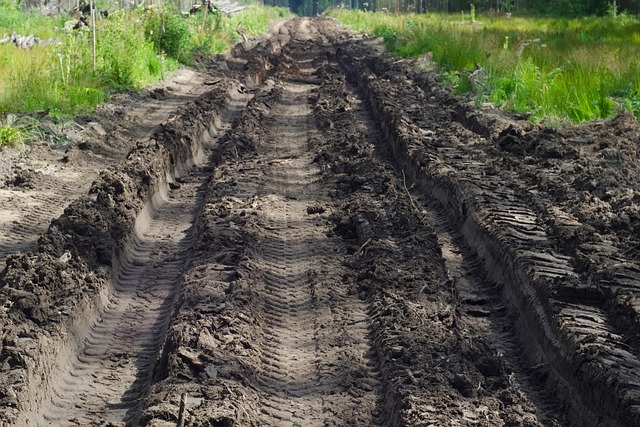
Assessing a property for optimal land use is a critical step for sellers looking to maximize their investment potential. This involves a holistic understanding of the site’s capabilities and constraints, taking into account factors such as topography, zoning regulations, and existing infrastructure. Land use borrower requirements play a significant role in shaping these decisions, dictating how much of the property can be developed and what types of structures are permissible.
For instance, a property with a steep slope may not lend itself well to extensive building, whereas a flat area could support a larger development. Zoning laws also dictate whether residential, commercial, or industrial uses are allowed, influencing the type of borrower seeking the property. Understanding these requirements is crucial for tailoring the property’s presentation to attract suitable buyers or lenders. Data on comparable sales in similar zones can provide valuable insights into what land use strategies have proven successful in the area.
Expert advice suggests conducting a detailed site analysis and feasibility study before proceeding with any development plans. This includes assessing soil quality, identifying potential environmental concerns, and evaluating nearby amenities that could impact property value. By balancing these considerations with borrower needs, sellers can navigate the market more effectively. For example, creating mixed-use spaces that cater to both residential and commercial demands may align with current land use trends and attract a diverse range of borrowers. Ultimately, successful land use optimization involves striking a balance between maximizing development potential and ensuring the property remains in compliance with relevant regulations and borrower expectations.
Zoning Regulations: Navigating Land Use Limits

Understanding zoning regulations is a critical aspect of land use for sellers. These rules, set by local governments, dictate how property can be developed and used, profoundly impacting potential returns on investment. Zoning laws are designed to ensure orderly development, preserve community character, and protect public health and safety. For instance, in residential areas, zoning might restrict the construction of industrial facilities or commercial buildings, while commercial zones allow for higher-density uses but limit residential activity.
Navigating these regulations involves a deep understanding of local ordinances and how they can influence land use. Sellers must assess whether their property complies with current zoning rules and consider future changes that could affect their plans. For instance, if a seller intends to rezone their land for a more lucrative use, they must follow specific procedures and meet certain criteria set by the local authority. This process often requires extensive documentation, community input, and environmental impact assessments.
Land use borrower requirements also come into play when financing property development. Lenders will scrutinize zoning regulations to assess the viability of a project. They look for clear paths to compliance and may require additional guarantees if there’s any uncertainty around zoning changes or potential legal challenges. For instance, a lender might insist on a specific buffer zone between a residential area and a proposed commercial development to mitigate community concerns.
Actionable advice for sellers is to consult with local zoning authorities early in the planning process. Understanding the permitted land use, potential variances, and any special considerations can significantly reduce surprises later. Keeping abreast of zoning trends and changes is also vital. Many areas are experiencing dynamic shifts due to changing demographics, economic conditions, and environmental concerns. Being informed allows sellers to make strategic decisions that align with both current regulations and future possibilities.
Creative Strategies: Maximizing Space and Value

In the realm of land use, creative strategies are essential for sellers to maximize both space utilization and property value. With urban expansion and population growth putting a premium on every square meter, innovative approaches can transform underutilized areas into valuable assets. For instance, consider a city lot plagued by narrow passages and obsolete structures. Through strategic rezoning and smart design, these spaces can be metamorphosed into vibrant mixed-use developments, catering to residential, commercial, and leisure needs. This not only enhances the local landscape but also increases property desirability.
One powerful tool in a seller’s arsenal is vertical integration. Building upwards rather than outwards allows for more efficient land use, accommodating larger populations or multiple functions within a smaller footprint. Condominium complexes and multi-story residential buildings are prime examples of this strategy. Moreover, integrating green spaces vertically through roof gardens or vertical farms can further elevate the property’s appeal, meeting the growing demand for sustainable living solutions. These innovative uses not only maximize land value but also align with borrower requirements for unique, high-value properties.
Data supports the success of such creative strategies. According to recent studies, urban areas adopting dense, mixed-use development have seen a 20% average increase in property values over the past decade. This trend underscores the market’s recognition of efficient land use as a premium factor. Sellers who embrace these approaches can position their properties as sought-after destinations, attracting not just residents but also businesses and leisure seekers. For instance, converting an old warehouse into a co-working space with residential lofts above can attract tech startups and freelance professionals, fostering a vibrant urban community. By aligning land use with borrower preferences for unique, multifunctional spaces, sellers can ensure their properties remain competitive in today’s dynamic market.
Sustainable Practices for Responsible Land Use

Sustainable practices for responsible land use are becoming increasingly critical as we navigate the challenges of rapid urbanization and environmental degradation. Land use, when managed responsibly, can support vibrant communities while preserving natural resources for future generations. This involves a strategic approach that balances economic development with ecological stewardship. For sellers looking to maximize their impact, adopting sustainable land use practices not only enhances property value but also contributes to broader community and environmental well-being.
One key aspect is integrating green infrastructure into urban landscapes. This includes strategies like permeable surfaces that reduce stormwater runoff, green roofs that mitigate the urban heat island effect, and tree-lined streets that provide shade and improve air quality. For instance, cities like Stockholm have pioneered these practices, resulting in improved public health and reduced carbon footprints. Land use borrower requirements often emphasize such measures, recognizing their long-term economic and environmental benefits. Sellers can leverage these trends to position their properties as eco-friendly investments, appealing to a growing market of conscious consumers.
Moreover, sustainable land use involves careful consideration of biodiversity conservation. Protecting natural habitats and implementing habitat restoration projects not only preserve local ecosystems but also provide invaluable ecosystem services such as pollination and water purification. Conservation efforts can be incorporated into development plans through strategies like creating wildlife corridors and setting aside protected areas. Data from the World Wildlife Fund (WWF) highlights the significant decline of biodiversity globally, underscoring the urgency of these practices. Sellers who prioritize biodiversity conservation not only meet land use borrower requirements but also contribute to global conservation goals.
In addition to environmental benefits, sustainable land use offers economic advantages. Properties with well-designed, eco-friendly features tend to command higher prices and attract tenants or buyers who value sustainability. For example, a 2022 study by the U.S. Green Building Council found that LEED-certified buildings (a standard for green construction) consistently achieve higher rental rates and occupancy levels than their conventional counterparts. By embracing sustainable practices, sellers can position themselves in a competitive market while ensuring responsible land use.