
Maximizing property investments demands a deep understanding of land use. This encompasses zoning regulations, market trends, and community plans that dictate residential, commercial, industrial, and agricultural activities. Staying informed about changing regulations, conducting thorough site analyses, and adopting sustainable practices are key to strategic decision-making. Meeting borrower requirements, focusing on environmental impact, energy efficiency, and green design, ensures responsible development. Navigating legalities through permits and zoning compliance is vital for effective land utilization.
In the realm of property ownership, understanding land use is paramount for maximizing asset value and ensuring sustainable development. However, navigating the complexities of zoning regulations and optimal utilization can be a daunting task for many owners. This article delves into the crucialelement of land use, addressing the prevalent challenges faced by property stakeholders. We will dissect the factors influencing land development decisions and propose innovative strategies to optimize space, enhance community vitality, and foster environmentally conscious practices—all within the framework of responsible land use management.
Understanding Land Use Basics for Property Owners
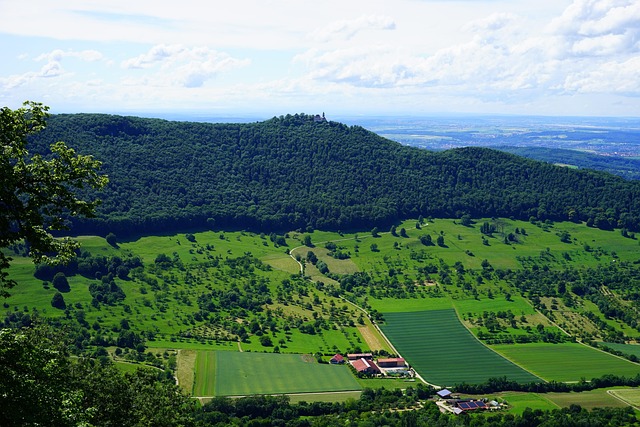
Understanding land use basics is crucial for property owners looking to maximize their investment potential. Land use refers to the manner in which a piece of land is utilized, encompassing residential, commercial, industrial, and agricultural activities. Property owners must grasp how zoning regulations, market trends, and community development plans influence land use to make informed decisions. For instance, understanding that a property’s zoning allows for mixed-use developments can open doors to innovative opportunities, such as combining retail spaces with apartments.
Navigating land use borrower requirements is another critical aspect. Lenders often assess the stability and potential of a property based on its land use. Property owners considering loans or investments should demonstrate a clear understanding of local land use policies and market dynamics. For example, a borrower looking to develop an industrial site must comply with environmental regulations and secure necessary permits, all while presenting a solid business case that aligns with the area’s economic trajectory. Data from recent studies shows that properties with well-planned and compliant land use tend to appreciate faster and command higher rental rates, making them attractive for both borrowers and investors.
Expert advice emphasizes the importance of staying informed about changing land use regulations. Property owners should regularly review local planning commission agendas, attend community meetings, and consult with zoning experts. This proactive approach allows for strategic adjustments to property utilization, ensuring compliance while capitalizing on emerging opportunities. By understanding land use basics and keeping abreast of borrower requirements, property owners can navigate the complexities of land development effectively, leading to sound investment decisions and long-term success.
Assessing Your Property's Natural Land Use Potential

Understanding your property’s natural land use potential is a crucial step for any property owner looking to make informed decisions about their asset. This involves assessing the unique ecological characteristics of the land, including soil types, topography, and native vegetation, to determine its most suitable and sustainable uses. For instance, properties with rich, loamy soils may lend themselves well to agriculture, while rocky, steep terrain might be better suited for grazing or conservation efforts. Such assessments are not just about maximizing yield or value; they’re essential for responsible stewardship of our environment and ensuring the long-term viability of land use.
When considering land use, borrowers often have specific requirements in mind, driven by market demands or personal aspirations. For agricultural purposes, understanding local climates, growing seasons, and potential pests is vital. Borrowers looking to develop residential areas need to factor in zoning regulations, infrastructure availability, and community expectations. Moreover, environmental impact assessments become critical when contemplating industrial uses, as they must balance productivity with ecological preservation. Data from authoritative sources can guide these decisions; for example, the U.S. Department of Agriculture’s Soil Conservation Service offers detailed soil maps that can inform land-use planning.
Actionable advice for property owners starts with conducting a thorough site analysis. This involves gathering data on the property’s physical characteristics and historical uses. Engaging professionals, such as agronomists or environmental consultants, can provide valuable insights tailored to the specific needs of the land. Once this understanding is in place, property owners can make informed choices about whether to maintain existing land uses, adapt to new sustainable practices, or explore alternative uses that align with the land’s natural potential. Ultimately, aligning land use with its inherent capabilities ensures both economic viability and environmental responsibility.
Planning for Sustainable Land Development Practices

Sustainable land development is a critical aspect of responsible property ownership, requiring careful planning to balance environmental, social, and economic goals. Effective land use involves understanding local ecosystems, communities, and future needs, ensuring that development enhances rather than degrades the existing environment. This approach not only preserves natural resources but also creates vibrant, resilient spaces for current and future generations.
Property owners play a pivotal role in adopting sustainable land use practices by engaging in comprehensive planning processes. This includes conducting thorough site assessments to identify unique ecological features, analyzing community needs through stakeholder engagement, and setting clear development goals that align with regional sustainability frameworks. For instance, implementing green infrastructure like rain gardens or urban forests can mitigate stormwater runoff while enhancing biodiversity. Data-driven decision-making is essential; utilizing tools such as geographic information systems (GIS) can help visualize and predict land use impacts, enabling more informed choices.
Meeting the specific requirements of land use borrowers is integral to this process. These requirements often focus on minimizing environmental footprints, promoting energy efficiency, and integrating green building design principles. By adhering to these standards, property owners not only fulfill borrower expectations but also contribute to broader sustainability goals. For example, incorporating renewable energy sources like solar panels can reduce carbon emissions and operational costs, while efficient landscaping practices conserve water resources. Moreover, engaging in continuous monitoring and adaptation ensures that development remains sustainable over time, addressing emerging challenges and opportunities.
Ultimately, successful land use planning requires a holistic perspective that considers ecological, social, and economic factors. Property owners who adopt these strategies not only safeguard their investments but also become stewards of their communities’ well-being and the planet’s future. By prioritizing sustainability, they contribute to creating vibrant, resilient, and harmonious places where people and nature thrive together.
Navigating Legalities: Permits and Regulations for Land Use

Navigating the legalities of land use is a critical aspect of property ownership, involving a complex web of permits and regulations. Understanding these requirements is essential for any landowner looking to develop or utilize their property effectively. The process can be intricate, with varying rules depending on location, zoning, and intended use. For instance, residential areas have different regulations from commercial or industrial zones, each designed to maintain the harmony and functionality of communities.
Permits are a fundamental part of land use, acting as official approval for specific activities. They ensure that development aligns with local laws and safety standards. Obtaining these permits requires careful documentation and adherence to application procedures. For instance, a property owner seeking to construct a new building must acquire zoning permits, building permits, and possibly environmental clearances, depending on the scale and nature of the project. Land use borrowers, in particular, need to be aware of these requirements, as they often involve significant financial investments. Timely permit acquisition is crucial to avoid legal complications and delays, underscoring the importance of thorough planning and compliance.
Regulations surrounding land use also encompass environmental considerations, heritage preservation, and community impact. Local authorities enforce these rules to protect natural resources, preserve cultural heritage, and ensure the well-being of residents. For example, certain areas may have strict guidelines for development near protected ecosystems or historical sites. Property owners must be proactive in understanding these regulations to avoid penalties and ensure their projects are sustainable and legally sound. Regular updates on local land use policies are essential for all property stakeholders, as changes can impact the viability and value of their investments.
In addition to direct regulatory compliance, land use borrowers should consider broader implications. Engaging with local communities, consulting experts, and staying informed about zoning trends can provide valuable insights. These steps facilitate responsible land development, fostering a positive environment for all stakeholders. Ultimately, navigating the legalities of land use is not merely a bureaucratic exercise but a critical aspect of sustainable property management that requires ongoing attention and expertise.