
Understanding land use fundamentals is crucial for homeowners to make informed property decisions. Local zoning laws and financial institution policies dictate development potential, with urban areas focusing on density and rural areas prioritizing environmental conservation. Analyzing past uses, zoning regulations, and nearby developments unlocks possibilities from residential to commercial. Sustainable practices, emphasizing energy efficiency and water management, reduce the ecological footprint by 20-30% and enhance property value through responsible stewardship.
In today’s rapidly urbanizing world, understanding land use is not just an intellectual exercise but a critical tool for homeowners seeking to make informed decisions about their properties. Land use, the way human societies allocate and utilize terrestrial space, significantly impacts local ecosystems, communities, and individual livelihoods. As cities expand and suburban areas grow, homeowners face complex choices regarding zoning, development, conservation, and sustainability. This article provides a detailed overview of land use considerations for homeowners, offering practical insights to navigate this intricate landscape naturally and responsibly.
Understanding Land Use Basics for Homeowners
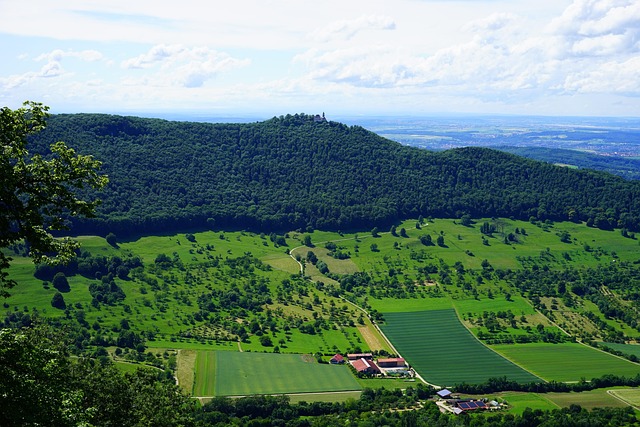
Understanding Land Use Basics for Homeowners involves recognizing the intricate relationship between property ownership and effective land utilization. Land use refers to the purposes for which land is designated and used, encompassing everything from residential areas to commercial hubs and industrial sites. For homeowners, it’s crucial to grasp these fundamentals not only for personal satisfaction but also for navigating land-related transactions, especially when borrowing funds for real estate ventures.
Land use borrower requirements vary based on local zoning regulations and financial institutions’ policies. These requirements dictate how a property can be developed or used, ensuring compatibility with surrounding areas and community needs. For instance, in urban settings, homeowners might face stricter rules regarding building height, density, and set-backs to maintain balanced development. Rural areas may offer more flexibility but still adhere to environmental conservation standards. Knowing these regulations is vital when considering renovations, additions, or construction projects.
Practical knowledge of land use enables homeowners to make informed decisions about property investments. It encourages responsible stewardship by promoting sustainable practices and respecting the unique character of each neighborhood. By understanding the current land use patterns in their areas, borrowers can anticipate future developments, assess property values, and strategically plan for their financial futures. This proactive approach not only protects their investments but also contributes to the overall health and diversity of local communities.
Assessing Your Property's Potential Land Use

When considering the potential land use for your property, you’re essentially unlocking a vast array of possibilities—from residential expansion to commercial opportunities. Assessing this aspect is pivotal as it influences everything from property value to borrower requirements. The first step involves a thorough analysis of your land’s current and historical uses, understanding zoning regulations, and identifying nearby developments that could shape its future viability. For instance, a property near an emerging tech hub might be ideal for mixed-use developments catering to both residents and businesses.
Land use borrower requirements vary widely based on financial institutions and the specific loan program. Lenders will evaluate factors like property size, topography, accessibility, and local market demand to determine suitable land use options. For homeowners looking to build, a comprehensive understanding of these requirements is essential. Consider, for instance, that certain loans might encourage sustainable practices or have set guidelines for mixed-use developments to ensure diverse community growth. Staying informed about these nuances can help align your vision with realistic financial expectations.
Beyond immediate borrower considerations, assessing land use potential involves gauging long-term trends and regional development plans. Data on population growth, employment rates, and infrastructure upgrades can paint a compelling picture of an area’s future. For example, properties adjacent to revitalized transportation corridors often become more valuable due to enhanced accessibility. By integrating these insights, homeowners can make informed decisions that not only cater to their immediate needs but also position their investments for sustained growth.
Implementing Sustainable Land Use Practices

Sustainable land use practices are transforming how homeowners interact with their properties, offering both environmental benefits and practical advantages. Implementing eco-conscious strategies not only contributes to a healthier planet but also ensures that lands are utilized efficiently and responsibly. This approach is particularly pertinent in light of growing urbanization and the increasing pressure on available land resources.
One of the key aspects for homeowners is understanding the land use borrower requirements set by local authorities and financial institutions. These guidelines dictate how a property can be developed or modified, with an emphasis on sustainability. For instance, many regions now mandate energy-efficient building designs, green spaces integration, and responsible water management systems. Adhering to these standards not only satisfies regulatory demands but often translates into long-term cost savings for homeowners. Consider the case of roof top solar panels: initially costly, they significantly reduce utility bills over time, exemplifying a sustainable investment in land use.
Practical strategies include adopting native plant landscaping, which requires less water and maintains biodiversity. Homeowners can also explore permaculture principles to create resilient, self-sustaining gardens. Furthermore, implementing greywater recycling systems for non-potable water usage is another effective measure. These practices not only conserve resources but also educate homeowners about their environmental footprint. Data suggests that adopting sustainable land use practices can lead to a 20-30% reduction in a property’s overall environmental impact, making it an increasingly attractive option for responsible homeowners.
To effectively implement these changes, homeowners should start with a comprehensive site assessment and consult experts like architects and landscape designers specializing in sustainable design. Local community groups and non-profits focused on environmental conservation can also provide valuable guidance tailored to specific regions. Remember, sustainable land use is an ongoing process that requires regular maintenance and adaptation. By embracing these practices, homeowners contribute to the preservation of our natural resources while enhancing the value and resilience of their properties.