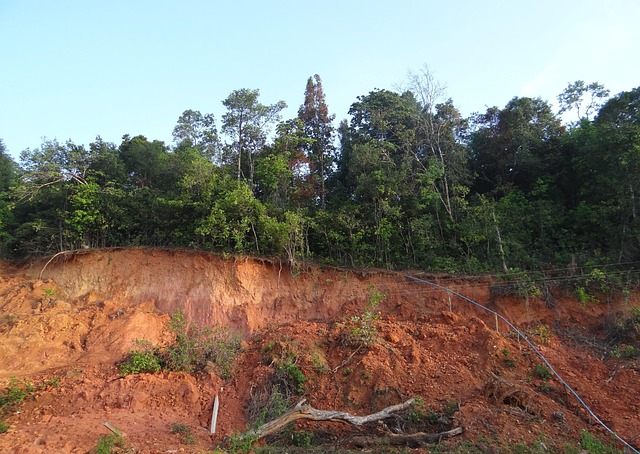
Real estate professionals require a deep understanding of land use fundamentals to navigate dynamic markets. Local policies, zoning, and demographic trends significantly impact property values and borrower needs. Engaging with governments, using GIS mapping, and analyzing market demands are key strategies. Sustainable practices, such as green infrastructure and mixed-use development, drive urban growth while addressing environmental concerns. Future trends include smart cities, vertical farming, and eco-friendly buildings, requiring professionals to adapt, collaborate, and diversify investments for long-term market success and community resilience.
In the dynamic landscape of real estate, understanding land use is paramount for professionals seeking to navigate market trends, maximize investments, and anticipate future developments. Land use—the practical application and allocation of land for various purposes—significantly influences property values, urban growth, and community vitality. However, navigating this complex web can be challenging, as factors such as zoning regulations, infrastructure planning, and demographic shifts constantly evolve. This article offers a comprehensive guide, delving into the intricacies of effective land use strategies to equip real estate experts with valuable insights for informed decision-making in today’s competitive market.
Understanding Land Use Fundamentals for Real Estate

Understanding Land Use Fundamentals is an essential pillar for real estate professionals aiming to make informed decisions in a dynamic market. Land use refers to how a particular piece of land is utilized, whether for residential, commercial, industrial, or agricultural purposes. This fundamental aspect influences property values, market trends, and borrower requirements, making it critical for realtors, developers, and investors alike. A thorough grasp of local land use policies, zoning regulations, and development patterns can significantly impact the success of real estate ventures.
For instance, a residential area with strict zoning laws limiting multi-family dwellings may see limited options for developers seeking to construct high-density housing. Conversely, areas promoting mixed-use development often attract investors looking to capitalize on diverse property types under one roof. According to recent market reports, cities embracing land use innovation and flexible zoning have experienced higher rates of investment and population growth. Real estate professionals who stay abreast of these trends can position themselves strategically, aligning properties with the evolving needs of borrowers.
To effectively navigate the landscape of land use in real estate, professionals should engage with local governments, attend community meetings, and analyze demographic data to anticipate future demands. Additionally, staying informed about regulatory changes and environmental considerations is paramount. For example, sustainable land use practices, such as green building standards, can enhance property appeal and attract eco-conscious borrowers. By understanding the intricate relationship between land use and borrower requirements, real estate professionals can offer tailored solutions, ensuring successful transactions and long-term market viability.
Assessing Land Use Potential: Techniques & Tools

Assessing land use potential is a critical aspect of real estate professionals’ roles, guiding informed investment decisions and strategic planning. This involves meticulously evaluating a property’s current and future use capabilities based on various factors such as zoning regulations, market trends, infrastructure, and surrounding amenities. By employing advanced techniques and tools, lenders and investors can accurately gauge the viability of land use borrowers’ projects.
One primary technique is geographic information system (GIS) mapping, which visually represents data layers crucial for understanding a property’s context. GIS allows professionals to analyze zoning designations, flood zones, environmental conservation areas, and proximity to key facilities. For instance, identifying industrial zones eligible for mixed-use development can unlock lucrative opportunities. Additionally, remote sensing technologies like satellite imagery provide up-to-date insights into land cover changes and potential development footprints.
Land use borrower requirements often dictate the need for comprehensive market analysis. Understanding local demand for specific land uses is essential. Data on demographic shifts, employment growth sectors, and housing trends can indicate areas with high development potential. For example, a surge in tech startups seeking office spaces could signal an opportunity to convert industrial warehouses into modern co-working facilities. Moreover, engaging with community stakeholders and reviewing public records offer valuable qualitative data, ensuring projects align with local needs and aspirations.
Expertise in land use assessment involves staying abreast of regulatory changes and industry best practices. Real estate professionals should leverage specialized software platforms that streamline data collection and analysis. These tools enable efficient screening of potential sites, facilitating informed decision-making processes. By combining quantitative data with qualitative insights, lenders can assess risk, determine suitable borrower requirements, and approve projects that maximize land use potential while adhering to regulatory frameworks.
Legal Considerations in Land Use Planning

Land use planning is a complex field that demands meticulous attention to legal considerations for real estate professionals. As developers navigate the intricate landscape of zoning regulations, environmental laws, and property rights, understanding these legal aspects becomes paramount for successful land development. This section delves into the critical legal dimensions that shape land use decisions, offering valuable insights for practitioners.
The first step in the process involves a thorough analysis of local zoning ordinances. These rules dictate how land can be used within a particular municipality or region. For instance, residential zones typically restrict commercial activities, while industrial areas may have strict environmental safeguards. Developers must ensure their proposed projects align with these regulations to avoid legal pitfalls and unnecessary delays. One key aspect is understanding the different zoning classifications and their specific requirements, ensuring compliance from the initial planning stages.
Environmental laws play a significant role in land use planning, particularly when dealing with sensitive ecosystems or protected species. Real estate professionals must remain cognizant of legislation designed to preserve natural habitats and mitigate environmental impact. For example, in regions with diverse wildlife, developers may need to conduct extensive studies and implement specific measures to protect endangered species, potentially influencing the design and construction phases. Adhering to these regulations not only avoids legal consequences but also fosters sustainable development practices.
Additionally, land use borrower requirements should be a central consideration during planning. Financial institutions often have specific criteria related to zoning, environmental compliance, and project viability. Developers must demonstrate that their proposals meet these criteria to secure financing. This may involve providing detailed studies, permits, and assurances to lenders. For instance, a lender might require a comprehensive environmental impact assessment before approving a loan for a large-scale development project. By proactively addressing these borrower requirements, professionals can streamline the financing process and enhance their projects’ chances of success.
Maximizing Property Value Through Strategic Land Use

The Future of Land Use: Trends & Innovations in Real Estate

The future of land use is being reshaped by a confluence of technological advancements, shifting demographic trends, and evolving environmental consciousness. Real estate professionals must navigate this dynamic landscape to capitalize on emerging opportunities and meet the evolving needs of land use borrowers. One notable trend is the rise of smart cities, which integrate technology into urban planning and management, optimizing resource utilization and enhancing quality of life. For instance, vertical farming and mixed-use developments are gaining traction, offering sustainable solutions for food production and housing density respectively.
Data from the World Bank indicates that urban areas account for over 50% of global GDP, highlighting the imperative to efficiently manage urban land. Smart cities leverage data analytics, IoT sensors, and AI algorithms to monitor and optimize traffic flow, energy consumption, and waste management. These innovations not only improve livability but also create new real estate opportunities in tech hubs and sustainable neighborhoods. Furthermore, environmental considerations are increasingly influencing land use decisions. Green building certifications and net-zero energy developments are becoming the norm, reflecting a growing demand for eco-friendly properties among land use borrowers.
To stay ahead of the curve, real estate professionals should invest in data analytics to predict market trends and adapt their strategies accordingly. Collaborating with urban planners and developers who embrace sustainable practices can also unlock valuable opportunities. Diversifying investment portfolios by focusing on niche markets such as senior living, co-working spaces, and affordable housing caters to changing demographic needs and ensures resilience in a rapidly evolving landscape. By embracing these trends and innovations, real estate professionals can not only meet the demands of modern land use borrowers but also contribute to building more livable, sustainable communities.