
Real estate professionals rely on understanding land use to maximize investment and development potential while navigating legal and market complexities. Key aspects include:
– Land Use Classification: Residential, commercial, industrial, and agricultural purposes.
– Zoning Regulations: Local guidelines dictating land use, building types, and density; compliance is crucial for property value maximization.
– Market & Demographic Trends: Agility required to capitalize on shifts in demand (e.g., remote work driving suburban/rural property needs).
– Sustainable Practices: Integrate green infrastructure, preserve ecosystems, engage stakeholders for community buy-in and financial benefits.
– Legal Navigation: Contract drafting, permit obtaining, land use agreements to protect interests and facilitate successful transactions.
– Future Trends: Urban intensification, mixed-use developments, technology-driven site selection for competitive global market positioning.
In the dynamic realm of real estate, understanding land use is not merely an advantage but a strategic necessity. As urban landscapes evolve and development patterns shift, effective land use practices are pivotal for professionals aiming to navigate this complex environment successfully. The challenge lies in balancing development with environmental considerations, community needs, and economic viability—a delicate act that demands nuanced expertise. This practical guide aims to equip real estate professionals with a comprehensive framework for optimizing land use, fostering sustainable growth, and unlocking the full potential of every site.
Understanding Land Use: Fundamentals for Real Estate
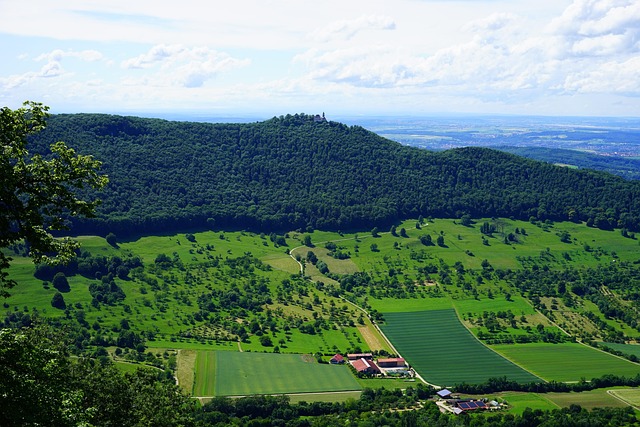
Understanding land use is a cornerstone for real estate professionals, shaping not just property values but entire communities. Land use refers to how a piece of land is utilized, be it residential, commercial, industrial, or agricultural. This fundamental aspect influences every decision from development projects to borrower requirements. For instance, dense urban areas with high land value often cater to mixed-use developments, while rural landscapes may remain largely agricultural.
Real estate professionals must grasp local zoning regulations and land use plans to ensure properties align with permitted uses. Misalignment can lead to legal issues and financial losses for borrowers. Consider a borrower seeking to build a residential complex on land zoned for light industrial use; such a project would face significant hurdles. Therefore, assessing land use involves scrutinizing these regulations alongside demographic trends, infrastructure availability, and market demand.
Data plays a crucial role in navigating land use. Market research offers insights into successful land use strategies within a region. For example, a study might reveal robust demand for mixed-use developments in revitalized urban centers, guiding investors towards lucrative opportunities. Moreover, understanding borrower requirements is paramount. Lenders consider land use when assessing creditworthiness, particularly for commercial and industrial projects, ensuring the proposed use aligns with the property’s financial viability.
To excel in this domain, real estate professionals should stay updated on local planning initiatives and engage with community stakeholders. They can also benefit from consulting experts in urban planning and land-use law. By integrating these practices, professionals can make informed decisions, maximize investment potential, and contribute to sustainable development, ensuring that land use strategies remain both practical and profitable.
Assessing Land Potential: Zoning & Regulatory Considerations

Assessing a property’s land potential is a critical step for real estate professionals, as it significantly influences investment decisions and development outcomes. This process involves an in-depth understanding of zoning regulations and their impact on land use. Zoning laws, which vary across regions, dictate how land can be used, the types of buildings permitted, and the density of development. For instance, residential zones may restrict commercial activities or set maximum building heights, while industrial areas might allow for larger structures and higher densities.
Real estate experts must navigate these regulations to ensure compliance and maximize property value. One key aspect is understanding the specific zoning designations in a given area and their associated rules. A property’s zoning category will dictate whether it can be used for residential, commercial, or industrial purposes. For instance, a zone classified as ‘R3’ might allow for multi-family housing, while an ‘I2’ zone could accommodate light industrial uses. By carefully reviewing these designations, lenders and borrowers alike can assess the feasibility of their intended land use, ensuring that all parties involved are aligned with local regulations.
Furthermore, understanding the potential constraints and opportunities presented by zoning laws is essential for strategic decision-making. Some areas may have strict guidelines regarding land use changes, especially in historic districts or environmentally sensitive regions. These regulations often require specialized knowledge to interpret, making it crucial for professionals to consult experts or local authorities. By anticipating these considerations upfront, real estate investors can avoid costly delays and legal issues, ensuring a smoother path to development or disposition.
Market Dynamics: Analyzing Demand for Different Land Uses

The dynamic nature of market demands continuously reshapes the landscape of land use, making it imperative for real estate professionals to stay agile and informed. Understanding the intricate interplay between economic trends, demographic shifts, and urban development is crucial for navigating successful land investments. For instance, the rise of remote work has catalyzed a significant demand for suburban and rural properties, offering larger plots and more affordable costs compared to urban centers. This shift in preference has led to a surge in land use borrower requirements for residential developments tailored to modern lifestyles, including co-living spaces and micro-communities.
Analyzing these trends reveals profound insights into the evolving needs of both land developers and borrowers. According to recent studies, the demand for mixed-use properties in urban areas is projected to grow by 15% over the next decade, driven by the increasing desire for seamless integration of residential, commercial, and recreational spaces. This presents a lucrative opportunity for real estate professionals to capitalize on versatile land use strategies, such as adaptive reuse of historic buildings or integrating green spaces within urban developments. By aligning with these market dynamics, lenders can optimize their portfolios while catering to the diverse borrower requirements emerging from changing consumer preferences.
Moreover, demographic factors play a significant role in shaping land use trends. As the population ages, there is a growing demand for retirement communities and assisted living facilities, necessitating substantial land acquisitions. This shifts the focus towards rural and suburban areas known for their serene environments and affordable real estate. Real estate professionals must stay attuned to these demographic shifts, as they directly influence the allocation of resources and investment strategies. By proactively adapting to market dynamics and understanding specific borrower requirements, industry experts can ensure sustainable and profitable land use practices in an ever-changing real estate landscape.
Sustainable Practices: Eco-Friendly Land Development Strategies

Sustainable practices in land development are no longer a niche concern but a critical aspect of modern real estate. As the global community grapples with climate change, eco-friendly land use strategies have become essential for reducing environmental impact and meeting borrower requirements. These practices not only contribute to conservation efforts but also offer long-term financial benefits for developers and investors.
One key strategy is incorporating green infrastructure into urban planning. This includes designing buildings that maximize natural light and ventilation, using sustainable building materials, and integrating green spaces within the development. For instance, the implementation of green roofs and walls can help mitigate the urban heat island effect, improve air quality, and provide habitats for local wildlife. Additionally, efficient water management systems, such as rainwater harvesting and greywater recycling, can significantly reduce a project’s water consumption, aligning with borrower expectations for sustainable land use.
Another critical aspect is preserving and restoring natural ecosystems. Developers should consider the ecological value of the land and implement strategies to protect and enhance biodiversity. This might involve creating wildlife corridors, planting native vegetation, or establishing conservation areas within the development. For example, a study by the U.S. Fish and Wildlife Service found that developments with dedicated conservation areas had higher species diversity and better overall ecosystem health. By embracing these practices, real estate professionals can meet borrower requirements for sustainable land use while contributing to the long-term well-being of their communities.
Moreover, engaging stakeholders early in the planning process is vital. Collaborating with local governments, environmental groups, and future residents allows developers to understand community priorities and incorporate feedback into their projects. This inclusive approach ensures that the final development not only adheres to sustainable land use principles but also resonates with the local population. Ultimately, embracing these eco-friendly strategies doesn’t just benefit the environment; it positions real estate professionals as forward-thinking leaders in their industry, meeting current borrower requirements while securing a sustainable future.
Legal Aspects: Contracts, Permits, and Land Use Agreements

Navigating the legal aspects of land use is paramount for real estate professionals to ensure successful transactions. Contracts are the bedrock of any property deal, clearly outlining the rights and obligations of buyers, sellers, and lenders. When it comes to land use, contracts must address specific details such as zoning regulations, intended development plans, and any restrictions on the property’s future use. For instance, a contract might stipulate that a plot of land can only be used for residential purposes or outline the permitted building density, impacting potential investment strategies.
Permits are another critical component in the land use process. These official authorizations from local authorities are required for various activities, including construction, development, and even minor alterations to existing structures. Real estate professionals must stay informed about the permitting process, as delays or misunderstandings can hinder project timelines and increase costs. For instance, a land use borrower may require several permits for a commercial development project, each with its own set of requirements and deadlines. Understanding these requirements is essential to ensure compliance and avoid legal issues down the line.
Land use agreements further complicate matters, particularly in cases where multiple parties are involved. These agreements outline the terms and conditions under which land can be used or leased, often tailored to specific projects or partnerships. For example, a joint venture between developers might include provisions for revenue sharing, risk allocation, and control over design and construction. Real estate professionals must carefully draft and review these agreements to protect their interests while ensuring the project aligns with all legal constraints. By staying vigilant regarding contracts, permits, and land use agreements, real estate experts can navigate this intricate landscape, mitigate risks, and ultimately facilitate successful transactions that respect both legal requirements and the intended vision for the property.
Future Trends: Innovative Approaches in Land Utilization

The future of real estate is intrinsically linked to innovative approaches in land use, as urban areas continue to expand and populations grow. With limited available land, professionals must adopt dynamic strategies to optimize existing spaces while exploring new opportunities. This involves a nuanced understanding of local regulations and market dynamics, along with an eye towards sustainable practices. For instance, urban intensification, which focuses on developing higher-density residential or commercial projects within established cities, can significantly reduce the need for greenfield development. According to recent data, dense urban areas have shown remarkable resilience in attracting investors and residents, offering a compelling case for future land use trends.
One prominent trend is the integration of mixed-use developments, combining residential, commercial, and recreational spaces into seamless, walkable neighborhoods. This multifaceted approach not only caters to evolving borrower requirements for flexible, live-work environments but also fosters vibrant communities. For real estate professionals, designing such projects necessitates careful land use planning to ensure a harmonious blend of zoning regulations, infrastructure, and amenities. By thoughtfully integrating different land uses, developers can create sustainable, profitable projects that meet the diverse needs of modern urban dwellers.
Moreover, technology is playing an increasingly pivotal role in shaping future land use practices. Geospatial analytics, for example, enables more precise site selection and planning by providing detailed data on demographics, environmental factors, and infrastructure capabilities. This technology-driven approach ensures that real estate investments are informed, strategic, and aligned with the evolving preferences of land use borrowers. As we navigate an era of rapid technological advancement, staying at the forefront of these innovations will be crucial for professionals seeking to stay competitive in the global market.